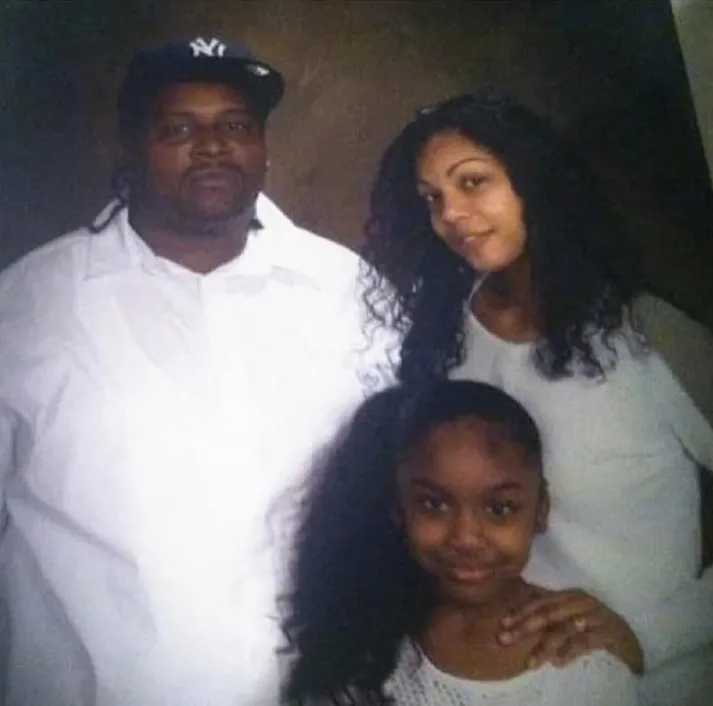
The night of November 11, 2025, began like countless others in the Brennon Pointe Apartments in Newport News, Virginia. Lights flickered dimly through the corridors, families were settling in for the evening, and a quiet autumn stillness settled over the complex. Children were tucked into beds, televisions hummed in the background, and the ordinary rhythms of life moved forward, oblivious to the storm about to strike one young family.
Inside one apartment, however, a life—and the lives of two small children—would be forever altered. Within minutes, a young mother would be killed, leaving her children without the arms that had cradled them, the voice that had comforted them, and the love that had been their constant.
Officers arrived shortly after receiving a 911 call reporting a shooting. When they entered the apartment, they found 19-year-old Neveah Harris lying on the floor, her body curled as though trying to shield herself from the violence that would end her life. Medics from the Newport News Fire Department rushed to her side, but despite their efforts, Neveah was pronounced dead only moments later. A young mother’s heartbeat, once the steady rhythm of her two children’s world, had been silenced.
https://youtube.com/watch?v=2qjr0q5OIAI%3Fembeds_referring_euri%3Dhttps
Detectives quickly pieced together the circumstances. The shooting had taken place inside the apartment of Kanye Smith, Neveah’s 21-year-old partner and father of her two young sons. Their relationship had been strained for months, marred by arguments, instability, and a history of domestic violence. It was a volatile situation that had, tragically, reached its deadly conclusion.
At the Newport News Police Headquarters, detectives spoke with Smith’s mother. Her voice trembled as she recounted the argument that had spiraled out of control. She said Neveah had tried to leave the apartment with her sons, that tensions escalated, and that she heard a gunshot that would forever alter the lives of everyone involved. When she looked back, she saw Neveah collapse and her son fleeing with the weapon in hand. The image, she told investigators, would haunt her forever.
Two days later, on November 13, Smith voluntarily went to the police station. He recounted a version of events in which he claimed Neveah had threatened him with a knife, and that the gun went off accidentally as he attempted to take it from her. Yet detectives, having carefully studied the scene and reviewed the evidence, found inconsistencies. The trajectory of the bullet, Neveah’s injuries, and other forensic details did not align with Smith’s story.
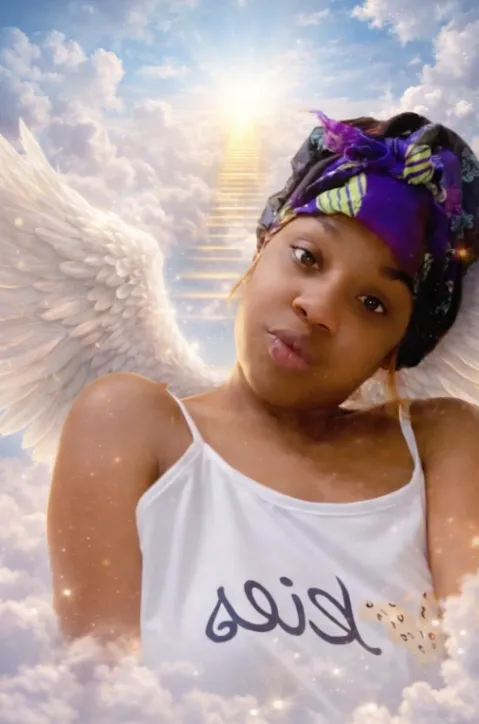
Compounding the uncertainty was the fact that the firearm was missing. Smith had carried it away from the apartment, and in the forty-eight hours before he turned himself in, it disappeared. That absence deepened the shadow of doubt and raised further questions about the sequence of events leading to Neveah’s death.
This was not the first sign of danger. In April, Smith had been arrested for assaulting Neveah, a history that reflected fear, instability, and a pattern of violence that, had it been broken sooner, might have prevented this tragedy.
Smith was arrested and charged with second-degree murder, discharging a firearm in an occupied building, and using a firearm in the commission of a felony. His next court date is scheduled for January 29, 2026—a step toward legal accountability, though nothing can undo the heartbreak already endured by Neveah’s family and her children.
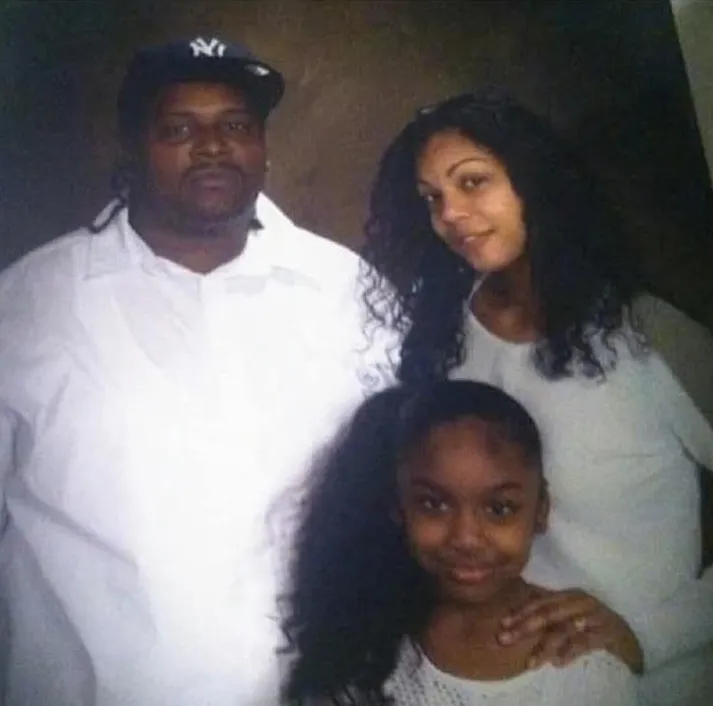
Yet beyond the police reports and court dates, there is a quieter, more devastating story—the story of Neveah Harris herself. She was nineteen years old. A mother whose life was still unfolding, whose dreams were just beginning. She loved her sons fiercely, worked tirelessly, and carried the hope of creating a stable, loving home for them. She was not perfect, but she was trying. Her life, like that of so many young parents, was a balance of care, work, and the small joys of daily life—a balance that was violently disrupted.
For her children, the world will never look the same. The mother who once tucked them into bed, comforted their fears, and guided them through their first steps is gone. Their memories will be fragmented by absence, stories of love interlaced with grief and confusion. They will grow up knowing that their mother did not leave by choice, that the love they felt in her presence remains, but that her voice, her arms, and her care were stolen in an instant.

In the days following, the apartment complex carried an unusual stillness. Neighbors replayed the night in their minds—the sirens, the flashing lights, the white sheet covering a life that had been full of promise. Some cried silently, holding their children tighter. Others prayed, hoping to make sense of a senseless act. Domestic violence, a problem too often hidden behind closed doors, had claimed a young life and left a family to navigate a void impossible to measure.
In another reality, Neveah might have rebuilt her life. She might have sought safety, found stability, and watched her children grow surrounded by love rather than fear. The chance to heal, to live fully, was stolen the moment the gun was fired.
Her death is a stark reminder of the consequences of violence and the fragility of life. It underscores the urgent need for intervention, support for victims, and prevention of domestic violence before it escalates into tragedy.

And yet, in the midst of grief, there is remembrance. Neveah Harris must be remembered not as a headline, not as a statistic, but as a daughter, a mother, and a young woman with a life full of potential. Her children, small though they are, will carry pieces of her with them—the love she gave, the care she showed, the laughter she inspired. And through them, her presence will endure.
This story is about more than crime. It is about the lives we fail to protect when patterns of abuse go unchecked. It is about recognizing danger, listening to cries for help, and intervening before tragedy strikes. It is about understanding that domestic violence does not only harm two people—it ripples outward, leaving scars on children, families, and communities.
Neveah Harris deserved to grow up. She deserved to watch her children take their first steps, speak their first words, and thrive in a world shaped by her love. Her life was taken in a moment of violence that should never have occurred.

And so we remember her. We remember her not just in sorrow, but in the lives she touched, the love she gave, and the hope she carried for her family. Her story calls us to vigilance, to compassion, and to action.
Neveah Harris was nineteen. A mother. A daughter. A light extinguished far too soon. But
A Mother and Child Rescued: Farsleben, April 1945
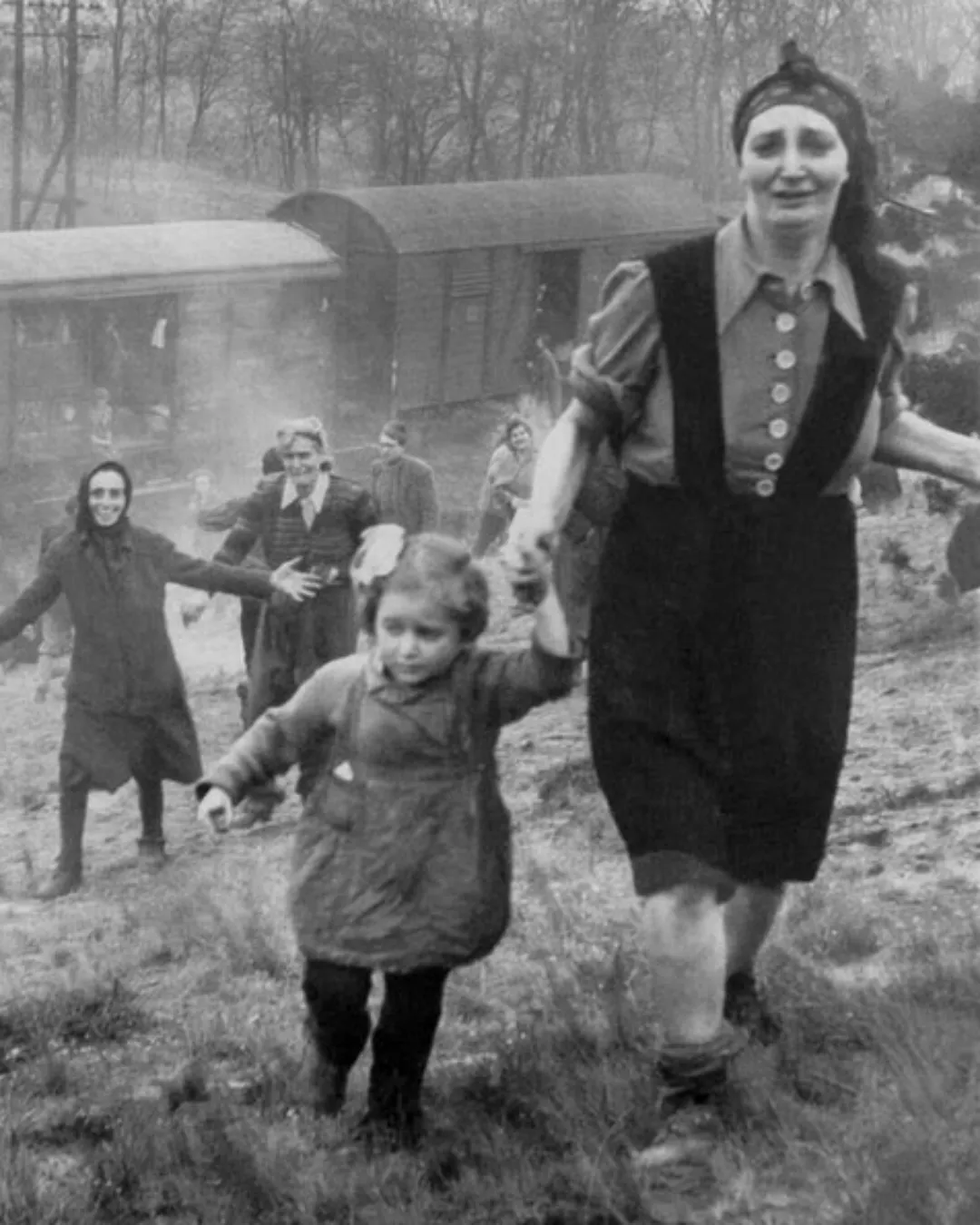
In early April 1945, as World War II neared its bloody conclusion, a train carrying nearly 2,500 concentration camp prisoners wound its way through war-torn Germany. Among them was a 35-year-old Jewish mother from Hungary and her 5-year-old daughter—two lives among millions targeted for extermination, two stories among countless others nearly erased by the Holocaust. Their journey was one of fear, desperation, and, finally, a miraculous rescue that offered a glimpse of humanity in humanity’s darkest hour.
The train had departed from Bergen-Belsen, one of the most notorious concentration camps in Nazi Germany. Conditions on the transport were abysmal. Prisoners were crammed into cattle cars with little food, almost no water, and no sanitation. Disease and
Leave a Reply